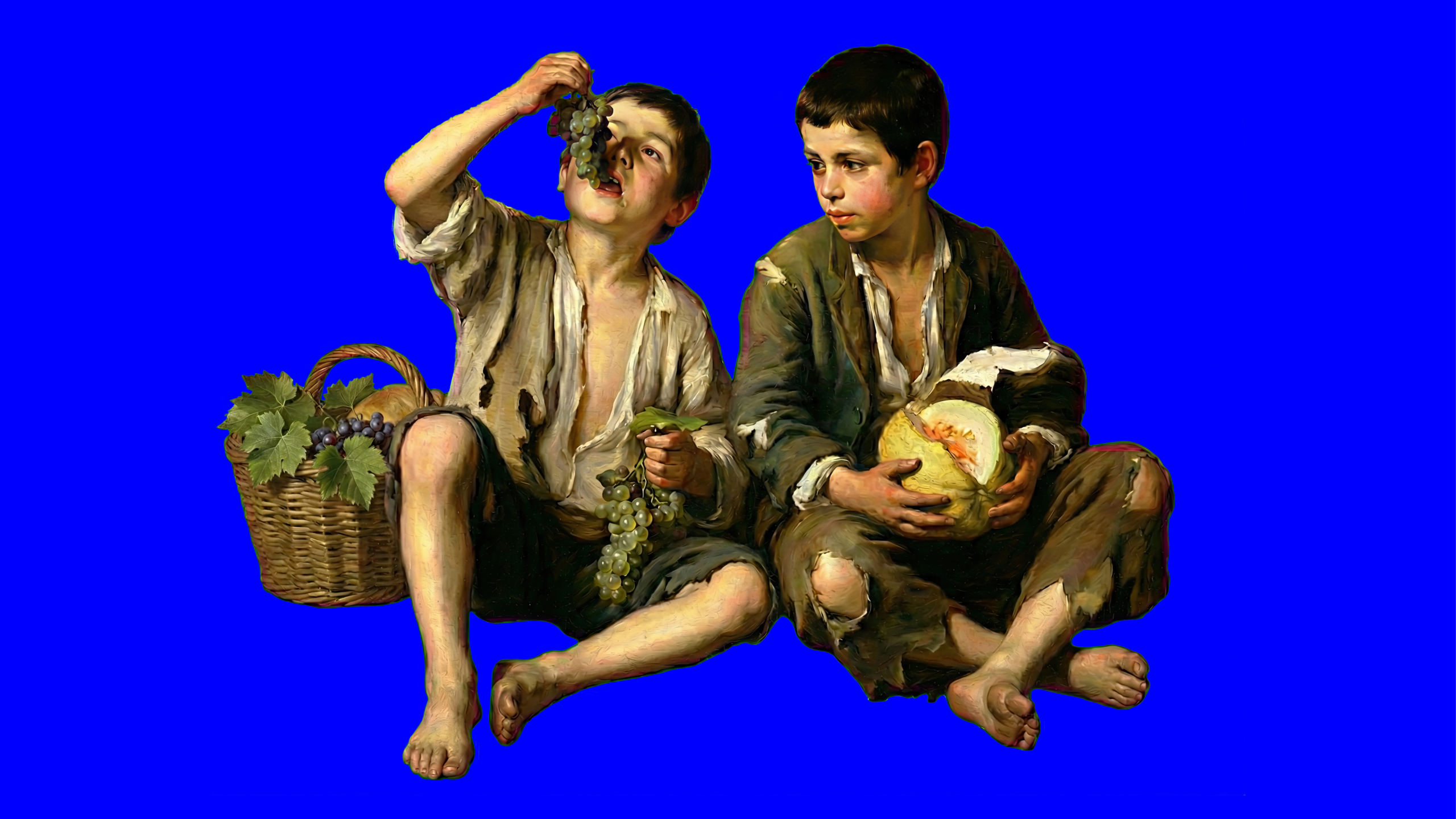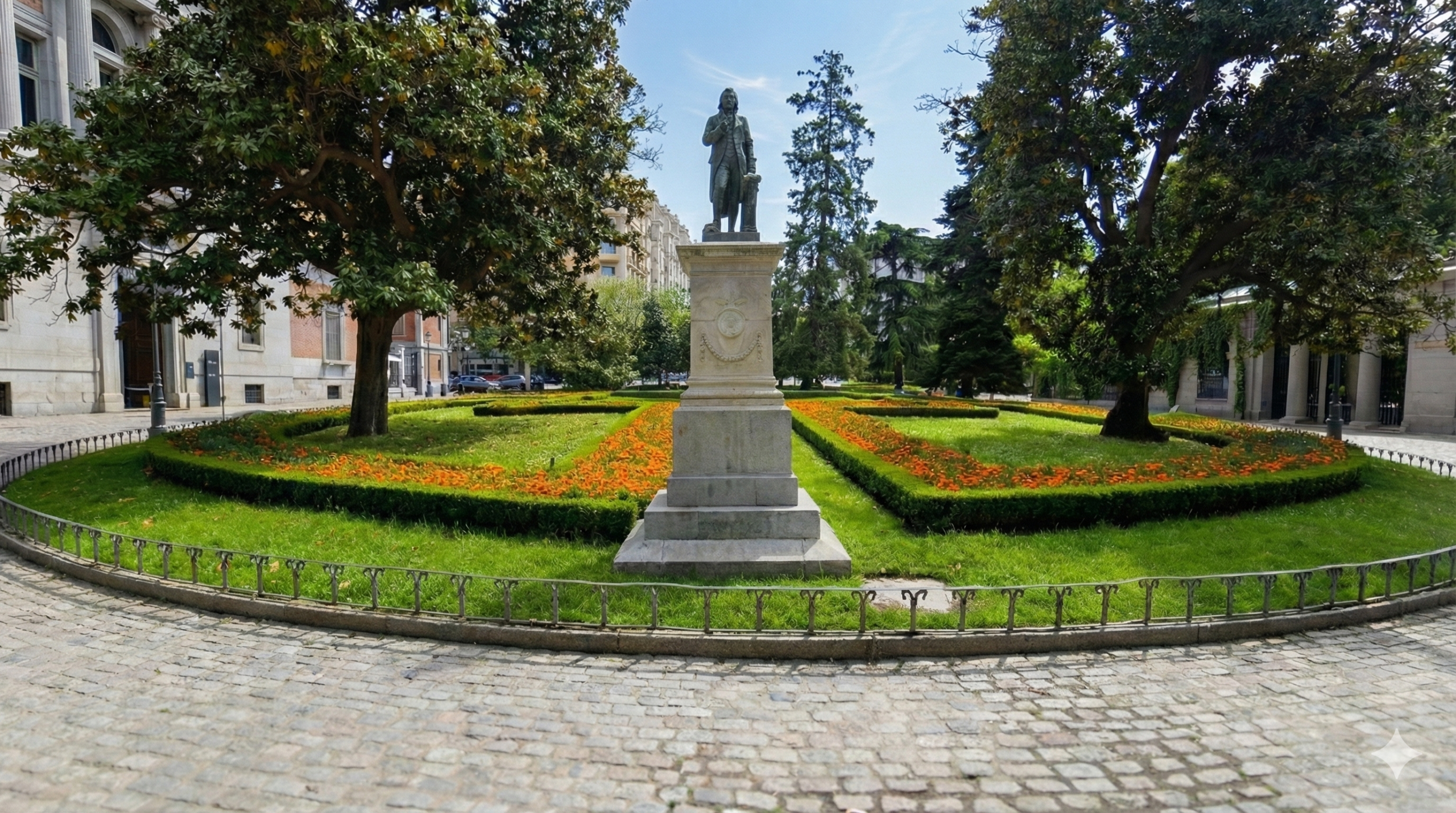
01 // LOS NIÑOS DEL MELÓN Y DE LAS UVAS
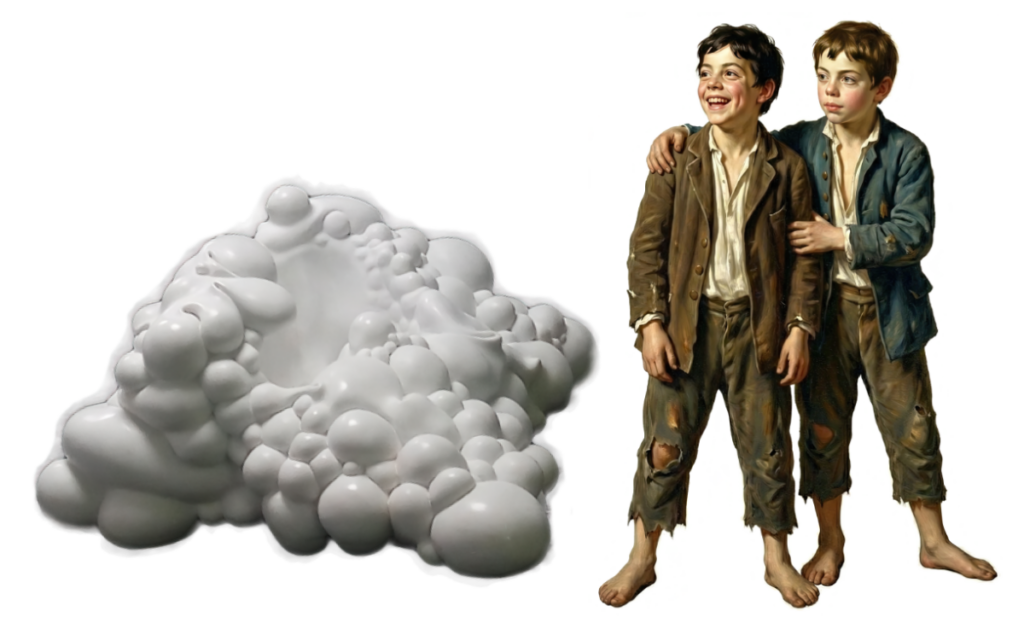
The Madrid beggar boys in conversation with the venske+spänle gumfot. An augmented dialogue exploring digital materiality, autonomous voice synthetics, and organic marble morphs.
The Synthesis: From Baroque Canvas to Autonomous Dialogue
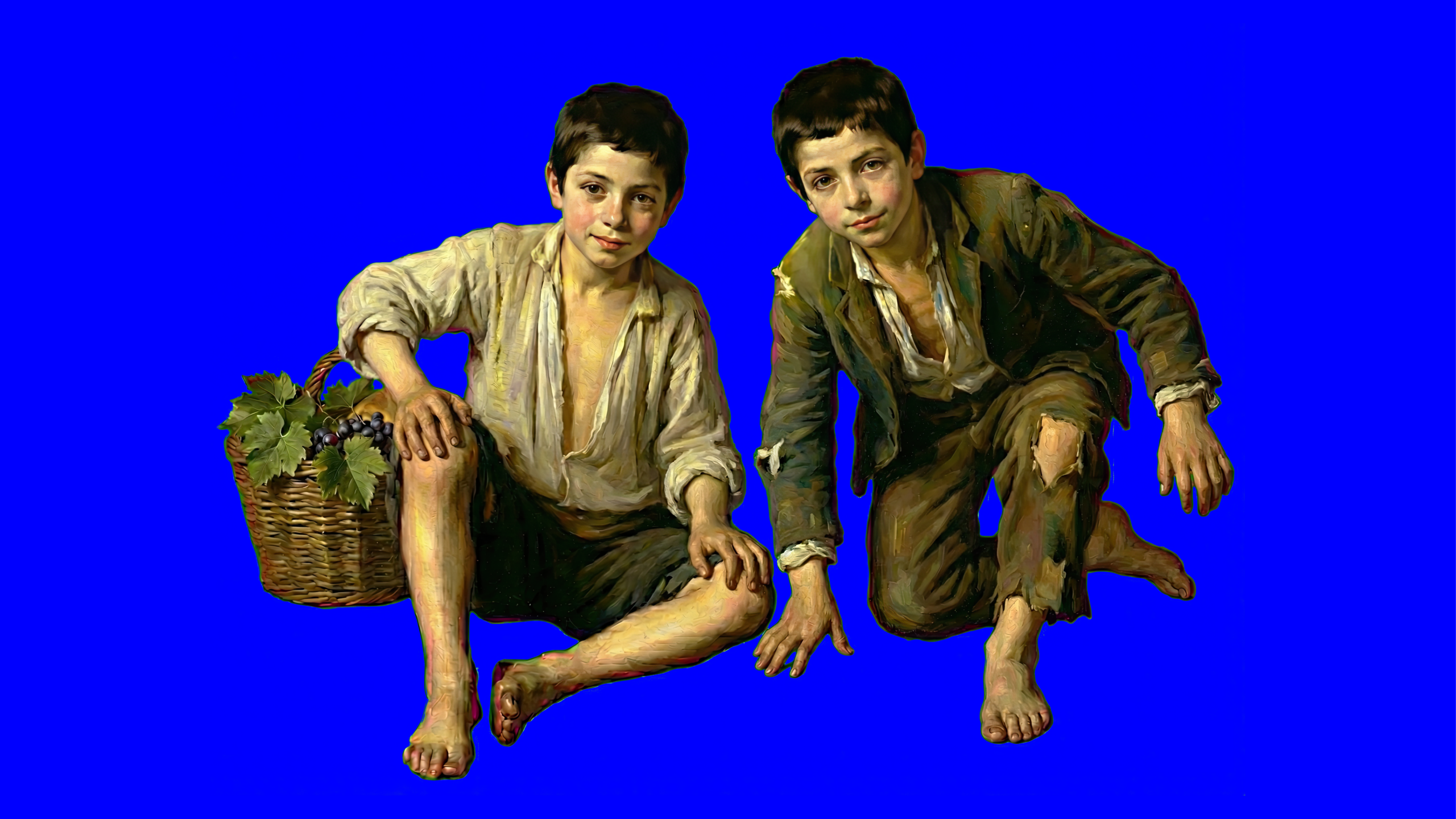
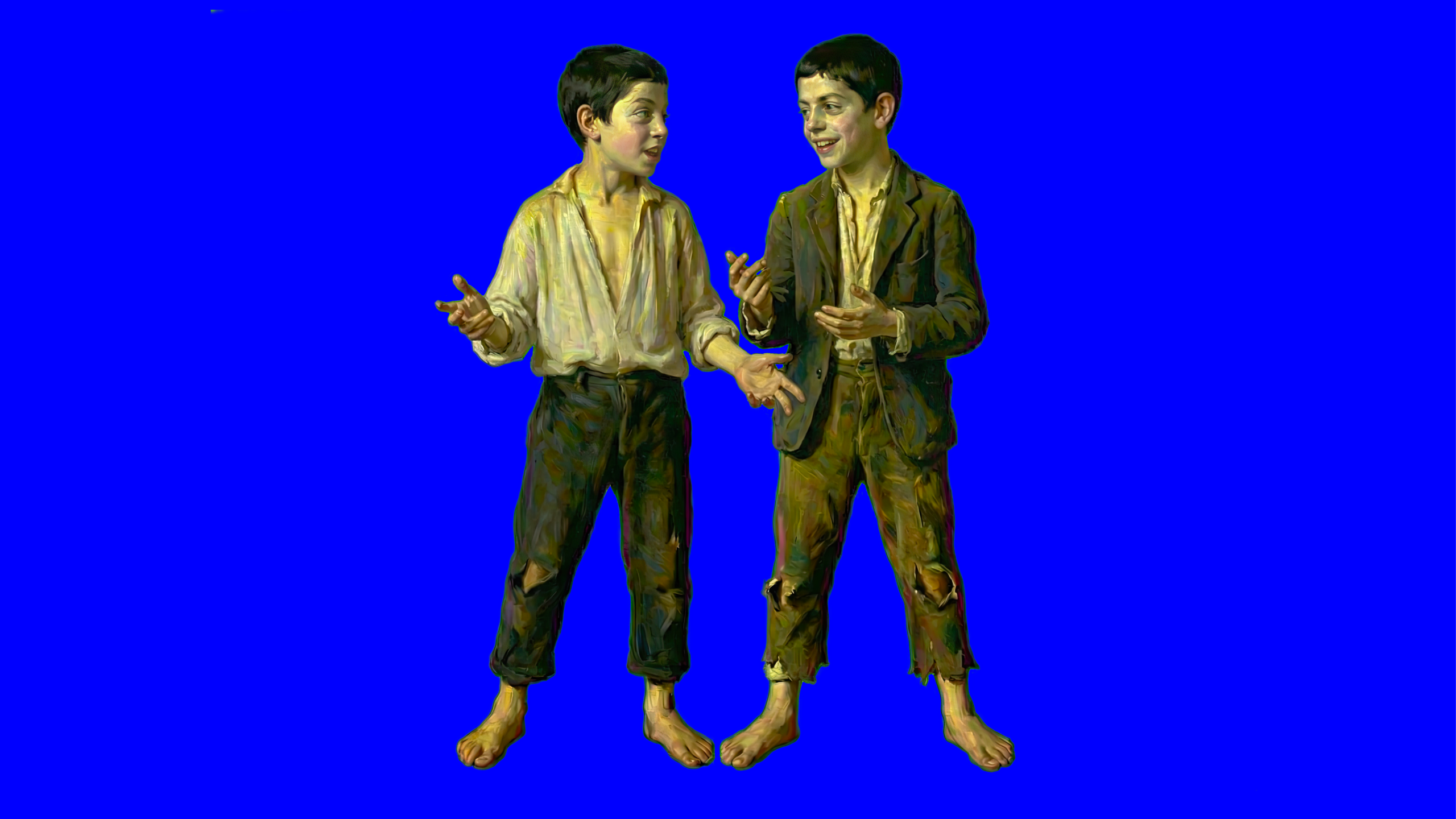
Bridging centuries of classical Spanish art and physical contemporary sculpture, this sequence reinterprets Murillo’s iconic street urchins (The Beggar Boys) as sentient digital actors in dialogue with physical form. The dialogue, written by a collaborating artist, explores materiality, street philosophy, and metamorphosis.
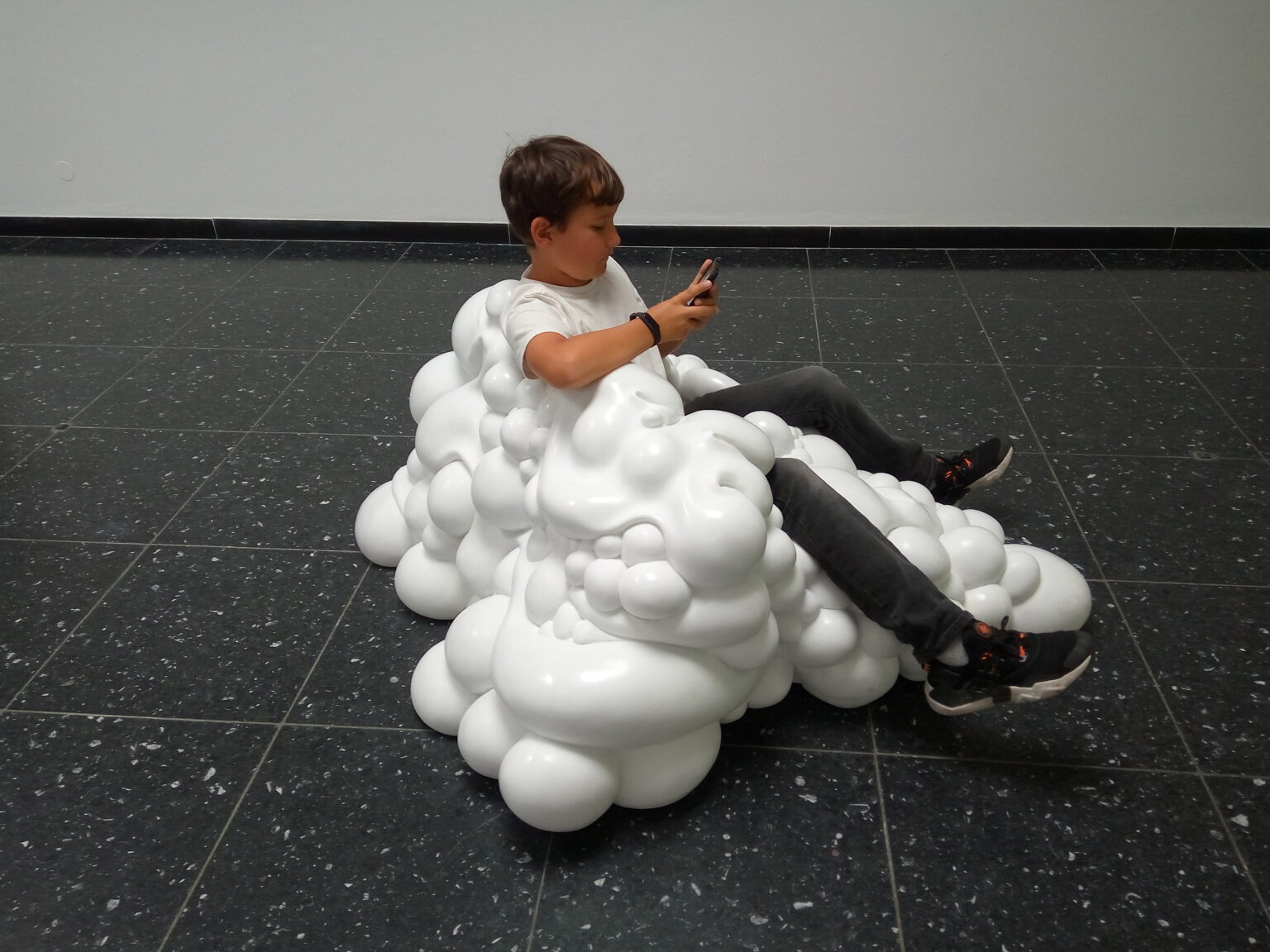
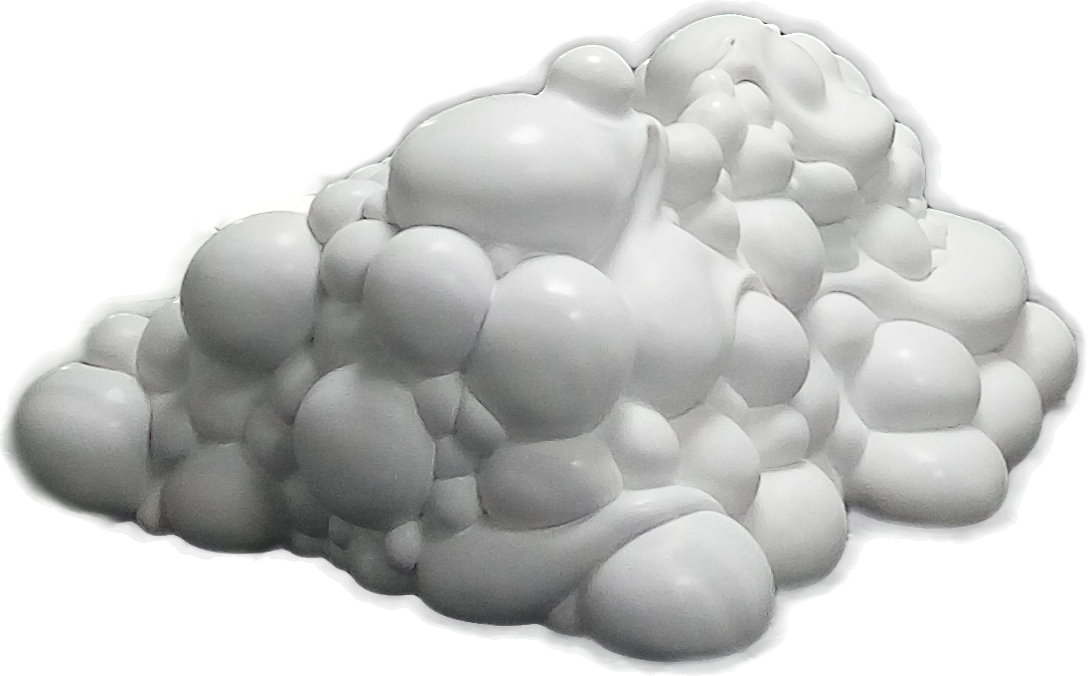
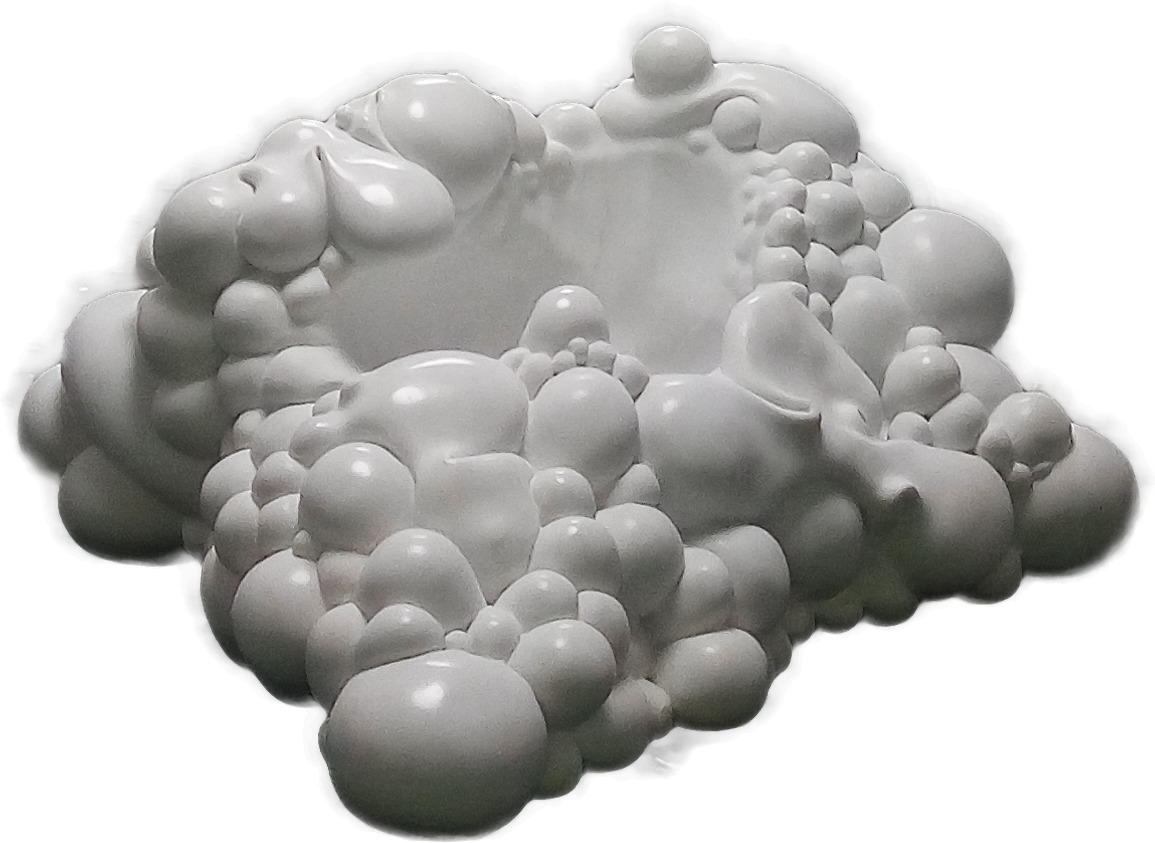
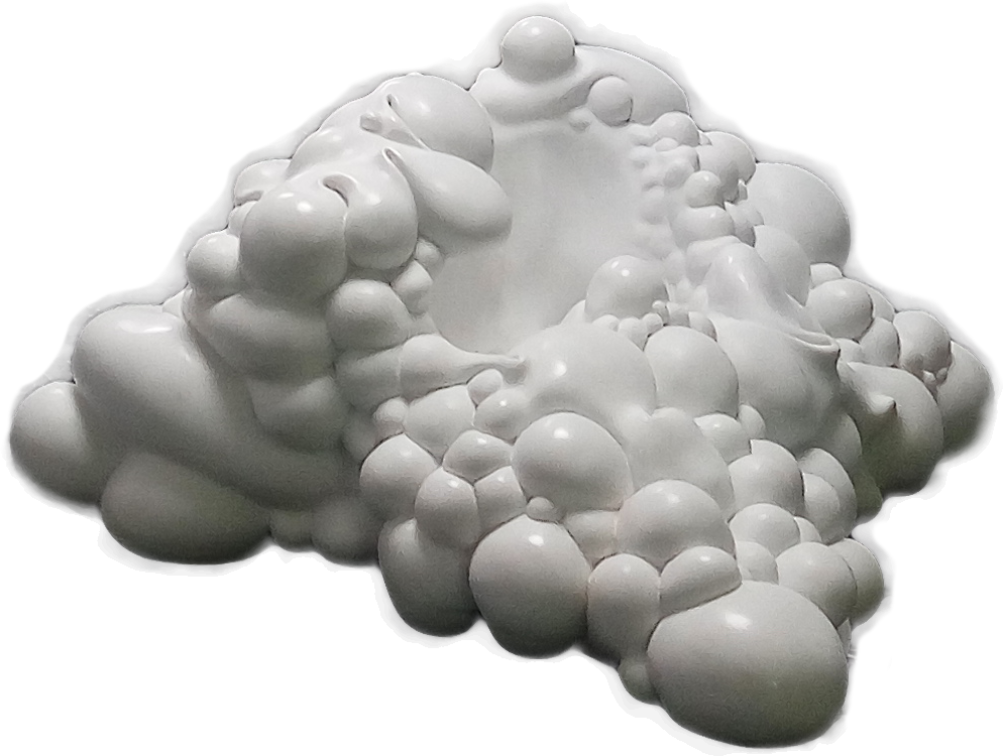
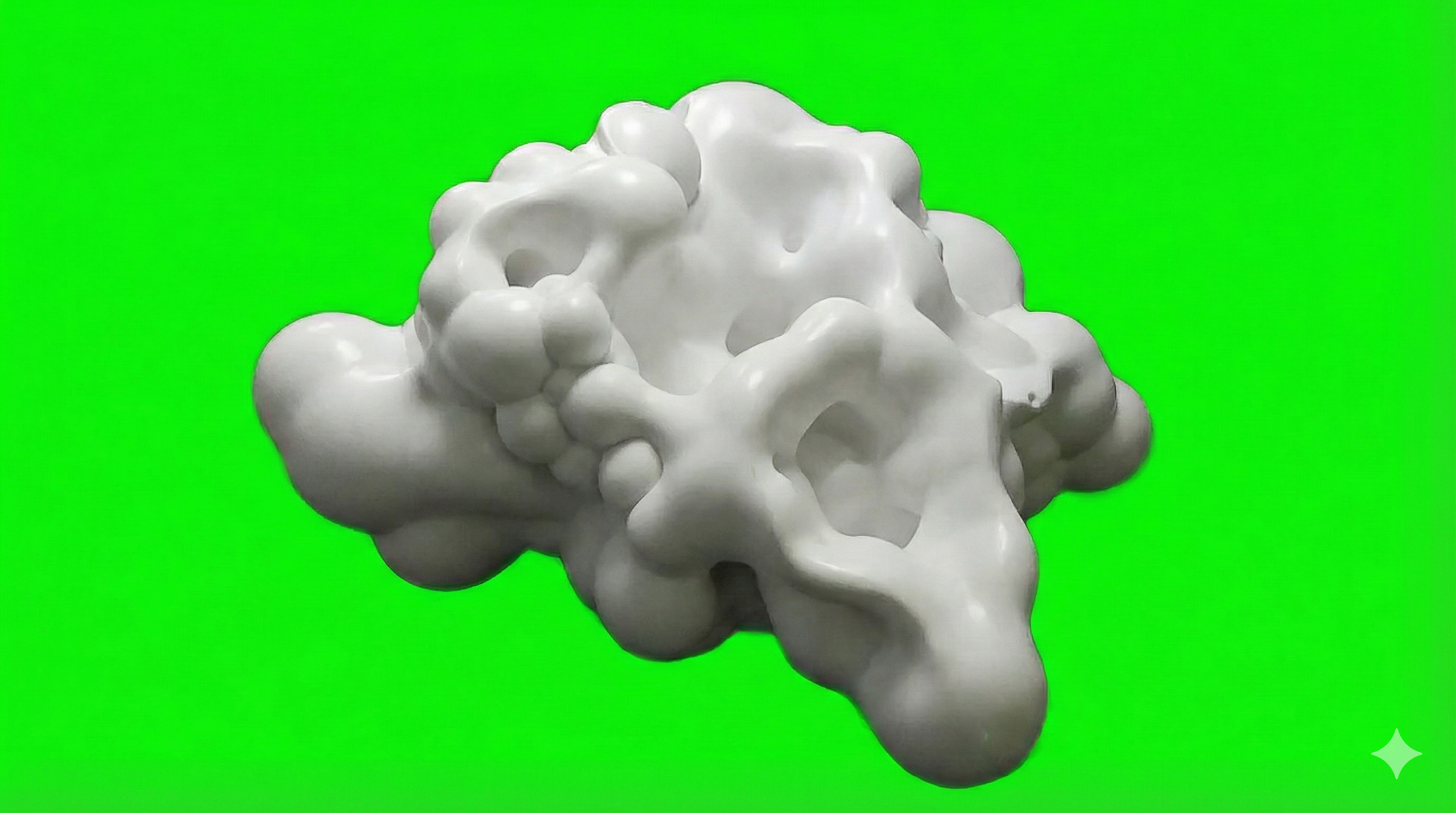
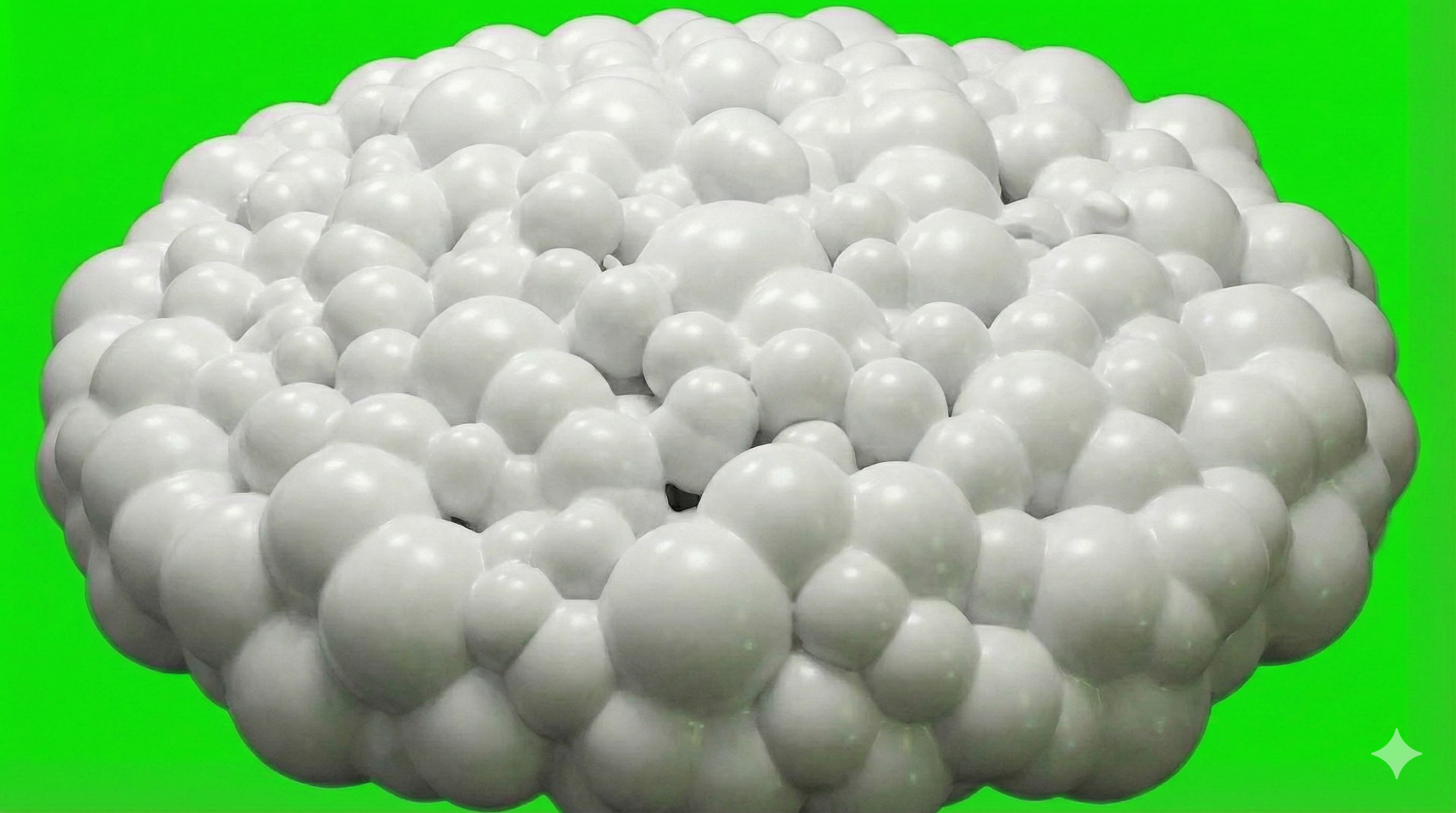
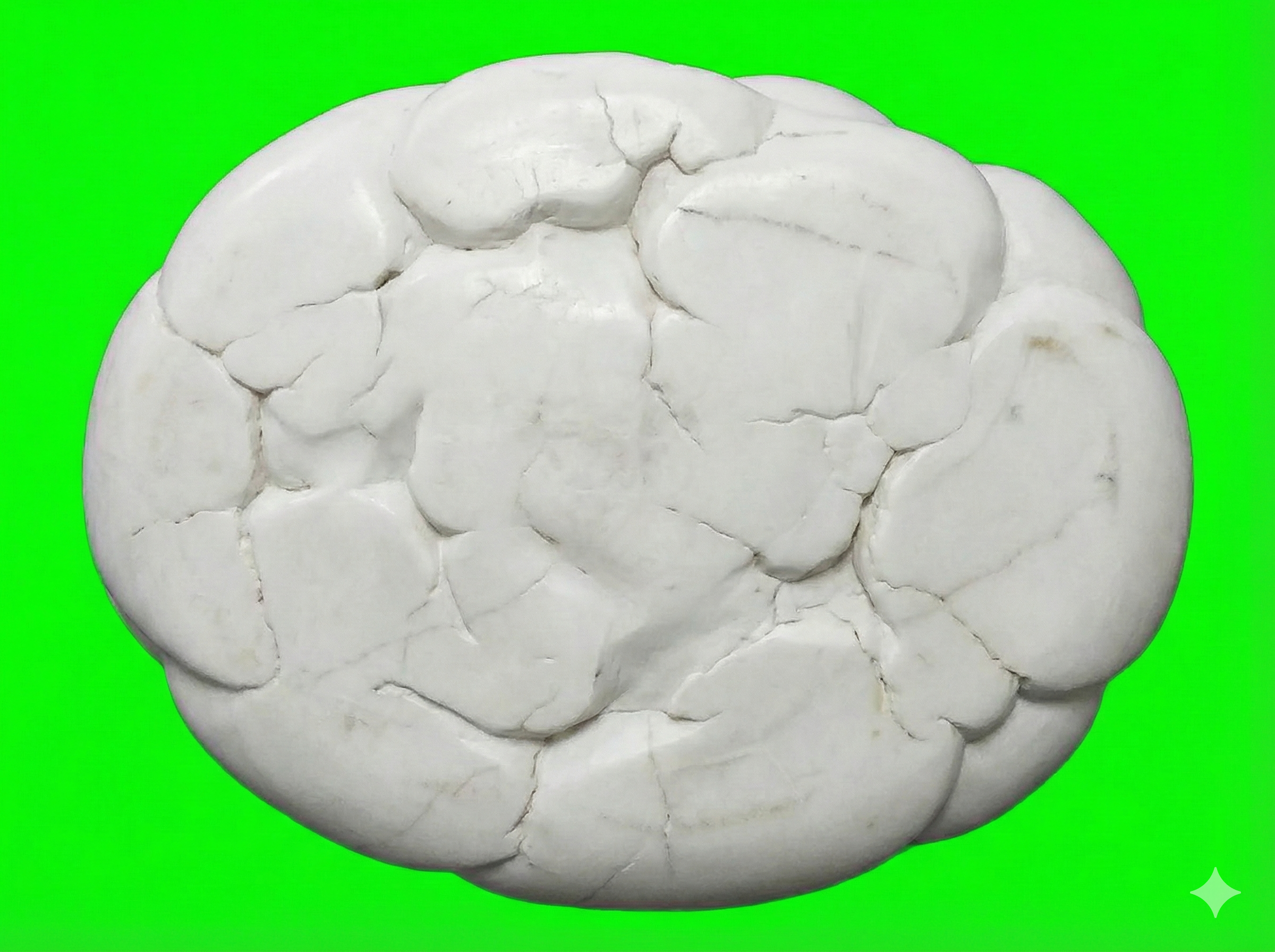
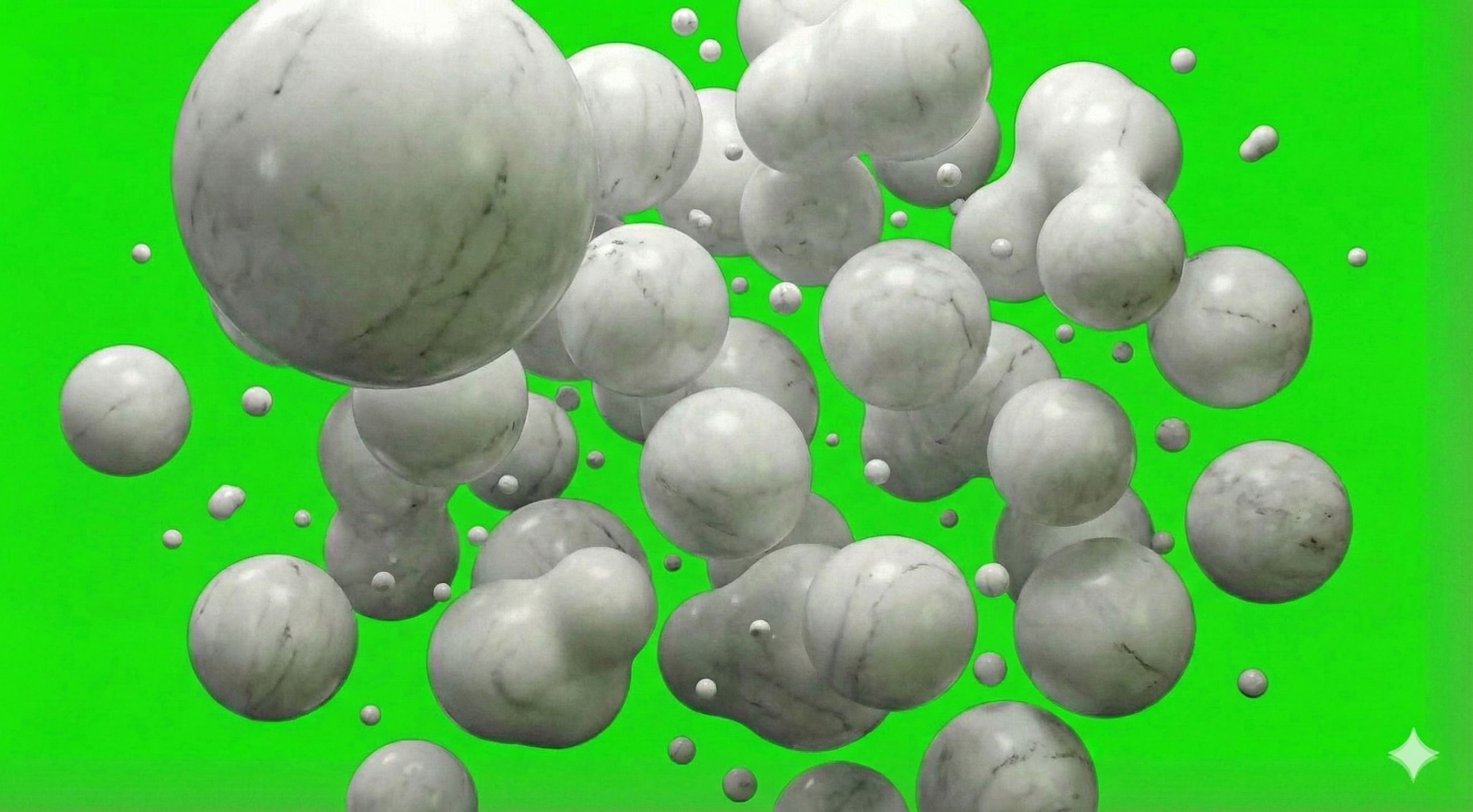
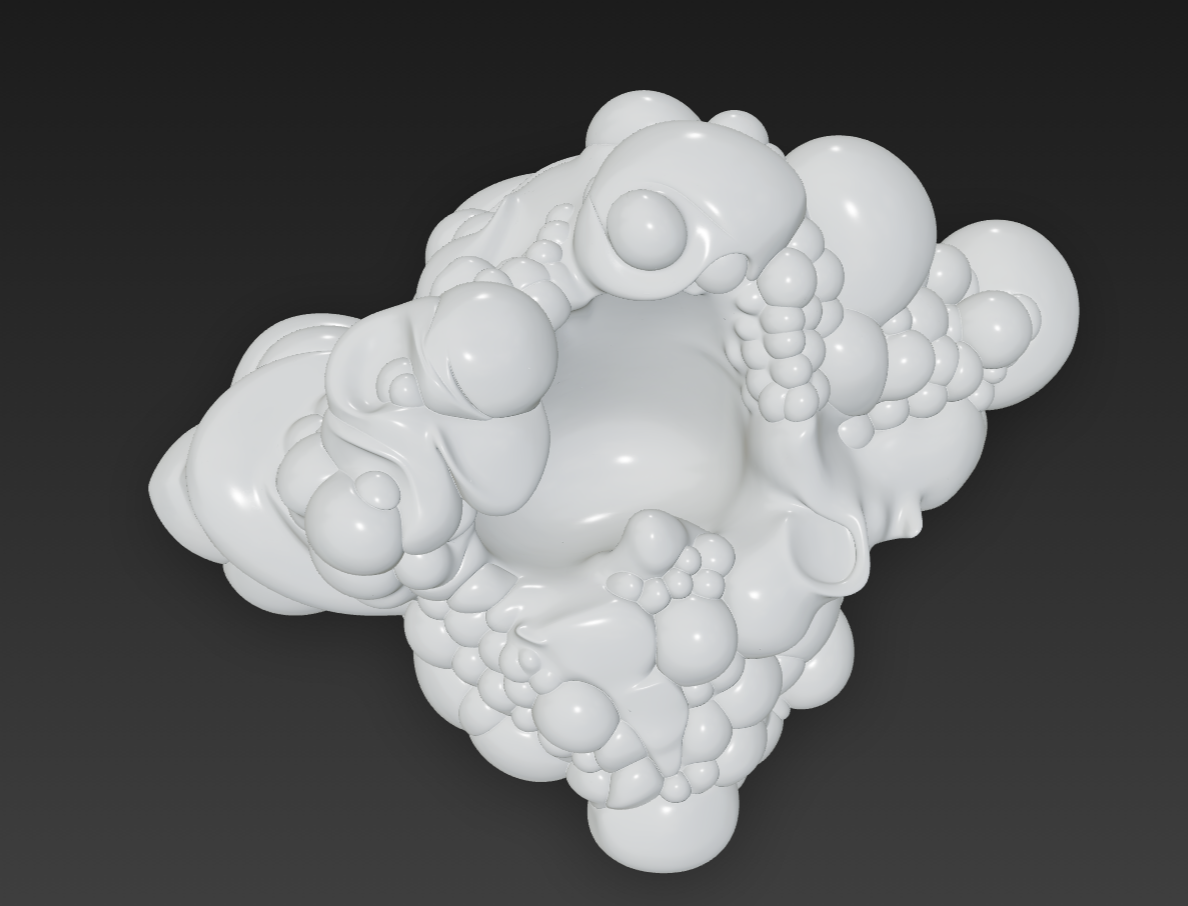
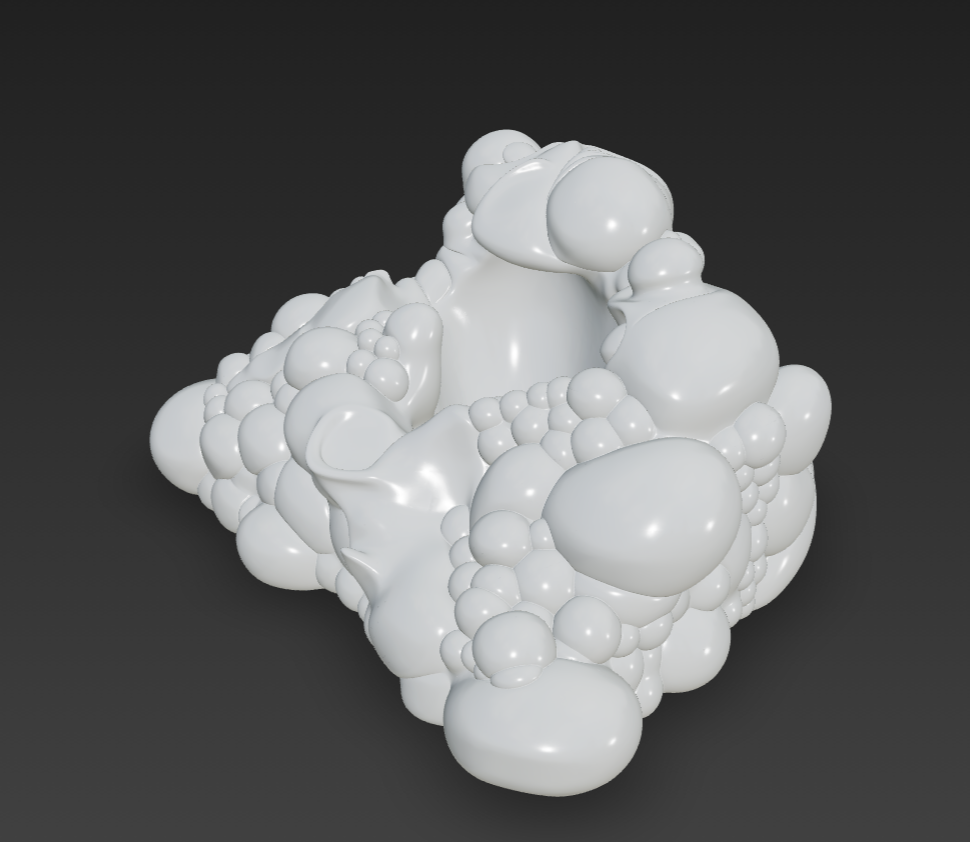
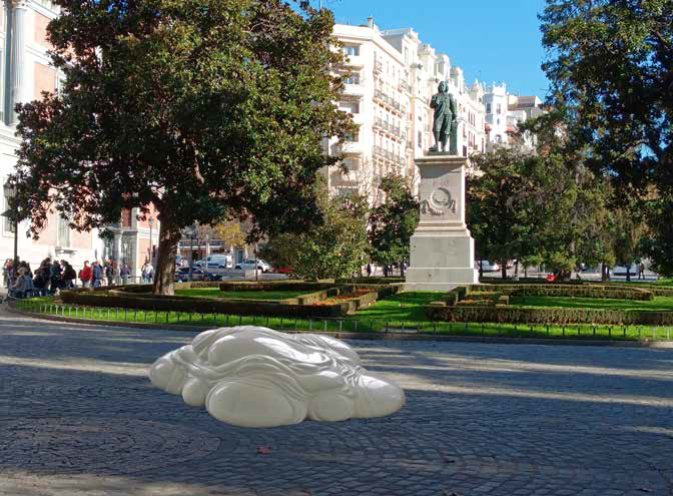
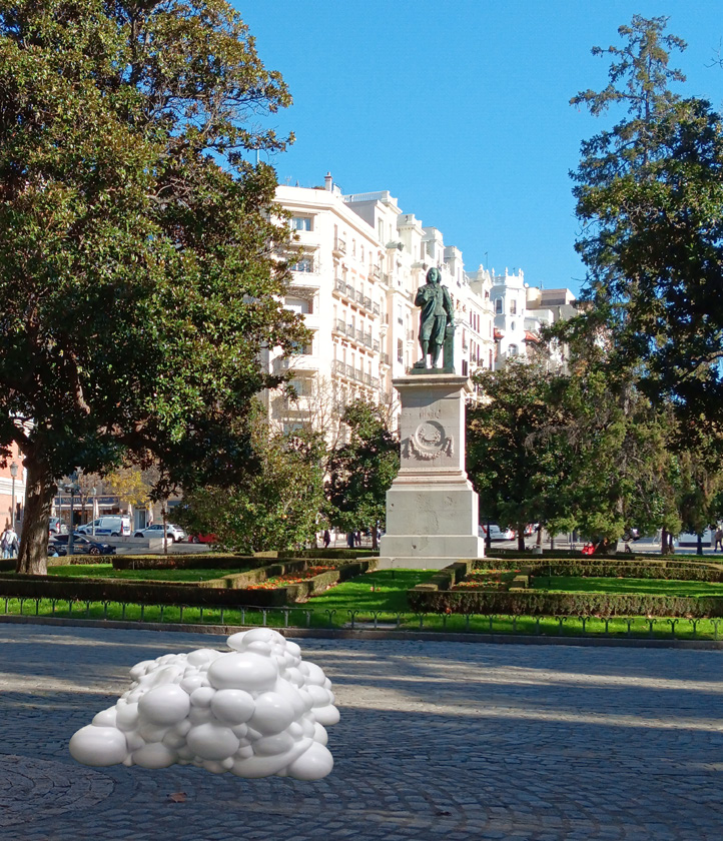
To bring the static 17th-century figures into motion, the visual source was carefully segmented and revived through Kling AI, synchronizing nuanced facial expressions and micro-gestures directly to the rhythmic cadence of the voice performances. Flanking the boys, an autonomous white marble sculpture—derived directly from the organic white italian marble works of artists venske+spänle—fluidly evolves and breathes through generative morphing states, uniting tactile stone craftsmanship with fluid digital motion.
Technical Pipeline (Behind the Scenes / Making-Of)
1. Visual Origins & Character Reconstruction:
web imagery of Murillo’s street urchins served as the visual foundation, cleaned and prepared for neural re-animation.
2. Vocal Architecture (ElevenLabs & Ableton Live):
Dedicated synthetic vocal timbres were engineered in ElevenLabs to capture the raw, distinct emotional character of each boy delivering the artist’s script. All vocals were created in English and Spanish. The exported takes were imported into Ableton Live for editorial pacing, surgical EQ, transient shaping, and audio engineering.
3. Performance Capture & Lip-Sync (Kling AI):
The conditioned master audio was used to drive generative character animation in Kling AI, achieving precise phoneme lip-syncing, body movements, and coherent physical posture shifts.
4. Sculptural Digitization & Morphing Pipeline:
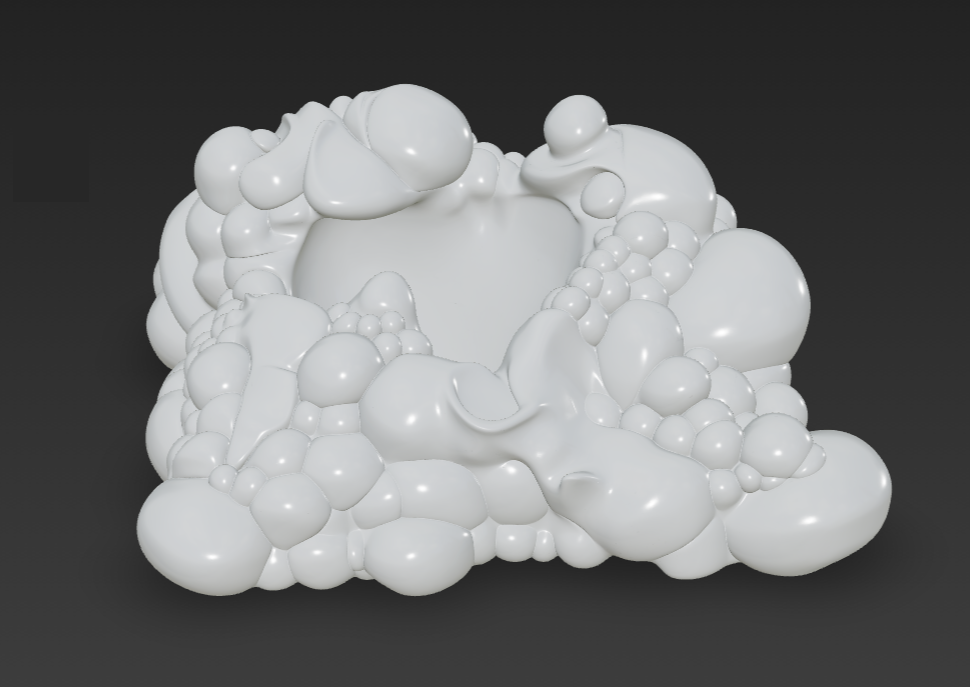
Based on reference photographs of physical hand-carved marble sculptures by artists venske+spänle, an initial 3D volumetric model was generated via AI. Controlled camera sweeps and multi-angle perspective stills were rendered from the 3D asset, which then served as keyframe anchors for generative neural morphing sequences in Google AI.
5. Master Compositing & Finish (Adobe After Effects):
The disparate neural passes, character plates, and fluid marble transformations were assembled inside a complex multi-layer After Effects comp. Precise luma edge-mattes, combined with many hours of editing unified the historical figures and contemporary stone into a cohesive cinematic AR sequence.